
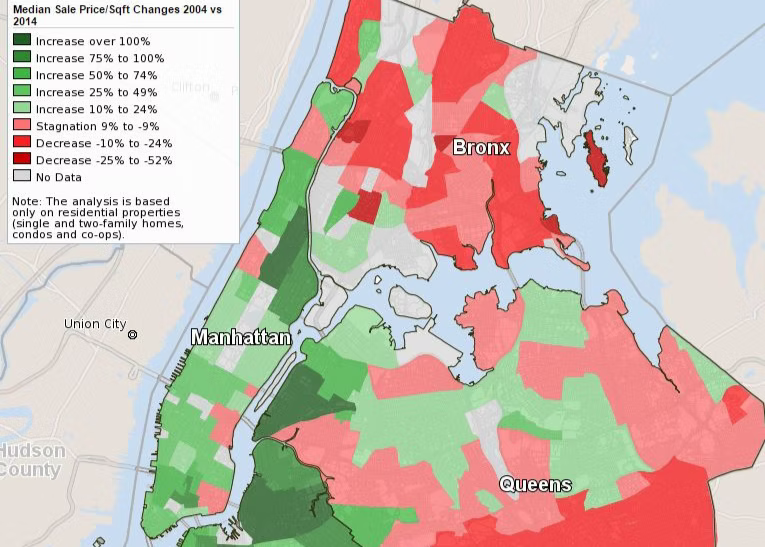
This article correctly rejects the simplistic “just build more housing” story that Sacramento politicians and YIMBY advocates use to justify stripping cities and neighborhoods of local zoning control. Housing is not a normal commodity governed by textbook supply and demand. Land is fixed in supply and derives much of its value from location, amenities, and external factors—not from how many units get built on it. Classic economists like Adam Smith and David Ricardo already showed that rising land values (economic rent) enrich landowners without improving productivity or broad welfare. Throwing more units at the problem does not automatically lower prices when those dynamics are ignored.
Wealth concentration and speculation make the problem worse. As Thomas Piketty has documented, returns on capital outpace overall growth, allowing investors, funds, and the wealthy to treat housing as a financial asset and inflation hedge rather than shelter. Luxury projects and portfolio purchases by corporate landlords do little for ordinary residents while bidding up overall prices.
Financialization compounds this: banks favor mortgage lending over productive investment, flooding the market with credit that inflates prices far beyond local incomes. Housing values become tied to interest rates and global capital flows instead of the needs of the people who actually live here.
YIMBY-style policies that pressure or force cities to upzone and densify without addressing speculation, financialization, or land-value extraction often backfire. In speculative markets, new supply frequently takes the form of high-end units aimed at investors. Land values can rise further, existing communities face displacement through gentrification, and inequality deepens. Simply expanding the housing stock while leaving these forces unchecked can make the affordability crisis worse, not better.
Real solutions require more than state mandates that override local democracy. They include capturing unearned land-value gains (for example, through land-value taxation), curbing speculative multiple ownership and luxury investment, limiting the financial sector’s distortion of housing markets, and supporting actual affordable and public housing. Neighborhoods and cities are best positioned to shape development that fits their character and protects existing residents. Sacramento’s top-down push to seize zoning power treats a complex problem of land, speculation, and inequality as a simple supply shortage—and that is exactly the flawed approach this article dismantles.
Link to article:
Why a Supply-and-Demand Approach Alone Cannot Solve the Housing Affordability Crisis