Sacramento’s own 2002 law gutted California’s condo market by 90%—and for two decades they’ve done nothing to fix it while pointing the finger at local cities.
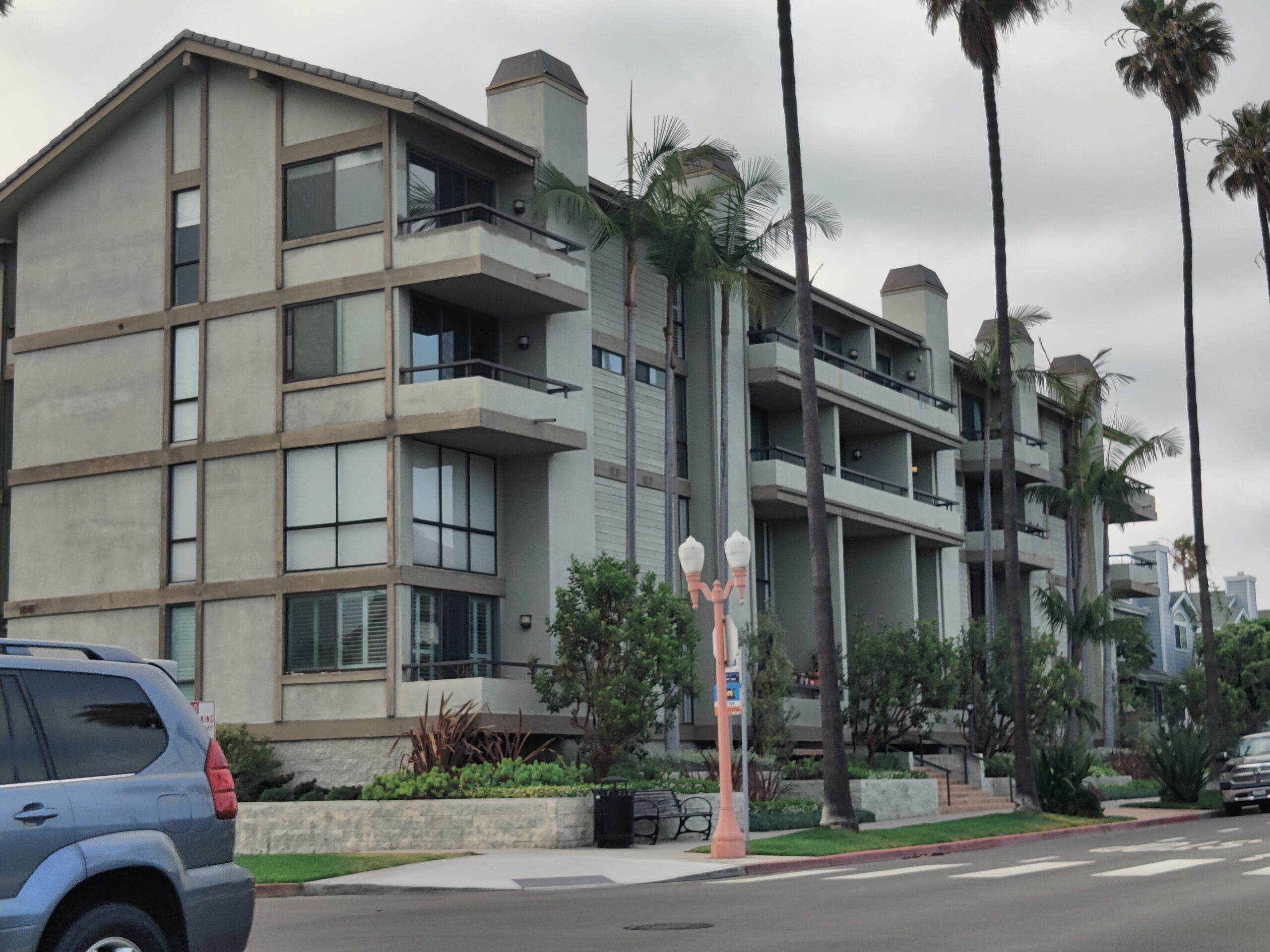
A 2002 state law, Senate Bill 800 (the so-called “Right to Repair Act”), was sold as a compromise to let builders fix construction defects before lawsuits. In practice it made condominiums—often the most attainable starter homes that spread the cost of expensive urban land across multiple buyers—legally toxic to build. Developers and their insurers now treat nearly every multi-unit for-sale project as a lawsuit waiting to happen. Insurance costs can jump by roughly $18,000 per home compared with similar rentals. Plaintiff attorneys have little incentive to favor actual repairs over cash settlements. The result: condo production in the Bay Area and Southern California has plummeted 90% from its peak about 20 years ago. San Diego County alone went from nearly 7,000 condo starts in 2005 to just a few hundred in recent years. Homeownership has fallen, the gap with the national rate has widened to a historic 15 points, and the burden falls hardest on working families and communities of color.
Yet Sacramento’s response for more than twenty years has been inertia on this state-created defect, while lawmakers pass hundreds of new top-down housing mandates that strip cities of zoning and planning authority. They blame local communities for “not building enough,” even as their own 2002 statute—still largely unfixed—drove the collapse of the very ownership housing that denser, more affordable neighborhoods need. A recent Assembly bill (AB 1903) tries to close some of the loopholes so builders can actually repair defects and get liability relief, but the pattern is clear: the Legislature creates the problem, sits on it for decades, then lectures cities.
This is classic Sacramento overreach. Our Neighborhood Voices has said it for years: rigid, one-size-fits-all state laws born of lobbyist narratives have forced congestion, eroded community character, and failed to deliver real affordability. Cities and neighborhoods are left footing the costs and the blame while the state piles on more than 400 (and counting) laws that override local decision-making. The solution is not more central mandates. It is restoring local control so communities can plan for housing that fits their streets, infrastructure, and residents—without Sacramento’s self-inflicted legal landmines and endless finger-pointing.