Delhi, with an estimated population of 26 million and a built-up area of 1,212 km², ranks among the most populous and densely populated cities in South-Central Asia.
This study of Delhi shows urban density is far from a simple fix for housing or well-being. Densities range wildly—from under 3,000 to over 136,000 people per square kilometer—with chaotic, unplanned growth especially on the edges. The city even has an “inverted compact” pattern: higher densities in the periphery than the core, the opposite of textbook models.
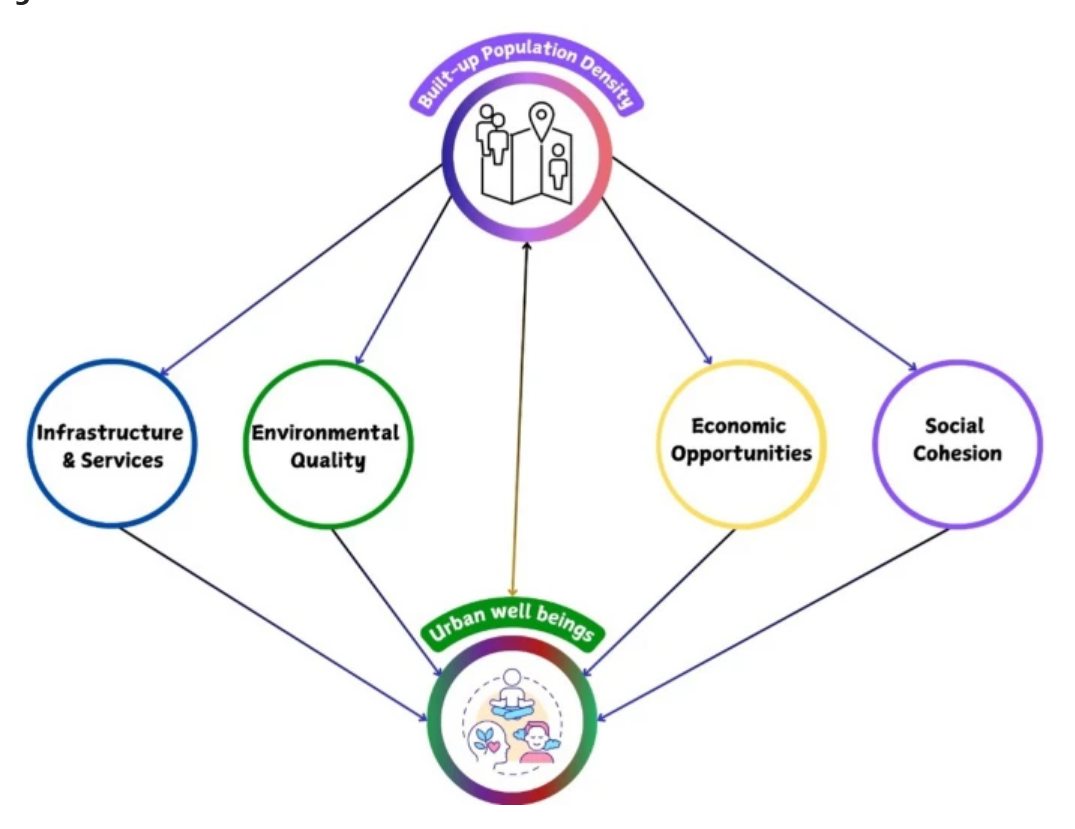
Beyond a certain point, packing more people in stops helping. Socio-economic conditions, green space, groundwater, jobs, and basic services matter just as much—or more. High-density zones often mean congestion and strained resources; low-density areas need careful infrastructure, not blanket densification. One-size-fits-all mandates ignore this spatial reality.
Neighborhoods are not interchangeable supply widgets. Local knowledge of actual conditions, not top-down density quotas, is what protects livability and lets communities shape their own futures. Statewide overrides that treat housing as pure supply-and-demand miss the complex human and environmental picture this research reveals. Keep zoning and planning local.